Ancient Ireland Background Wallpaper
The Boyne Valley holds some of the finest prehistoric monuments in Europe. These wallpaper images capture Newgrange, Knowth, Loughcrew, Fourknocks and other ancient sites, each available in 800 x 600 and 1024 x 768 sizes for desktop use.
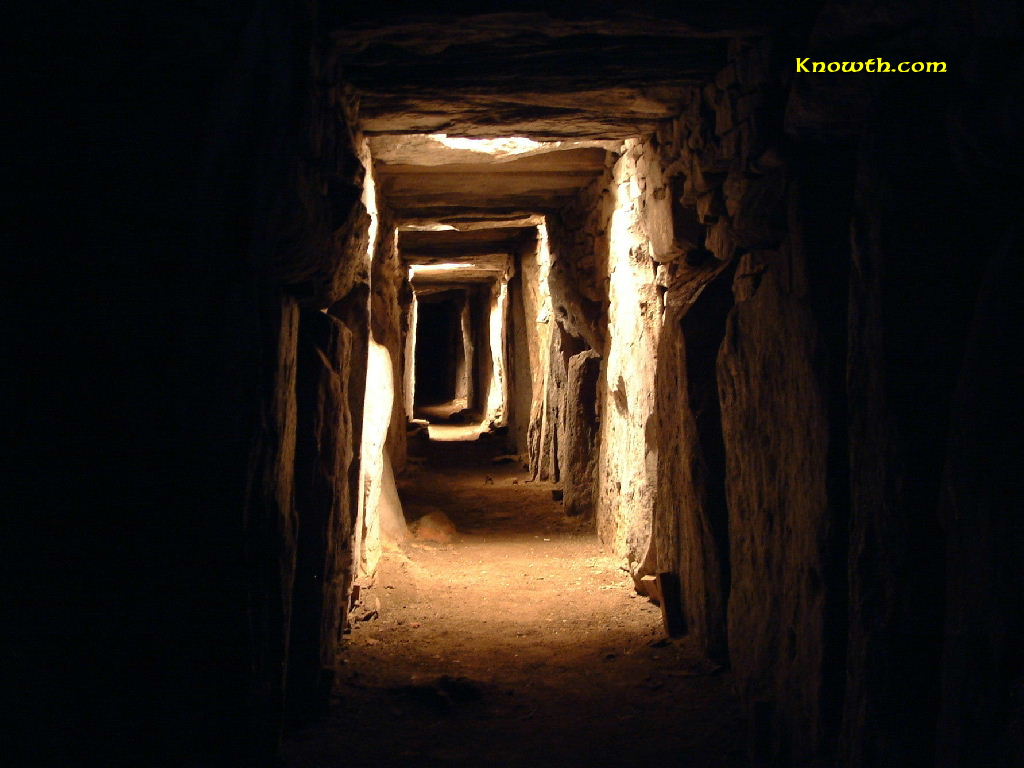
Newgrange is a passage tomb built around 3200 BC, older than Stonehenge and the Egyptian pyramids, and famous for the winter solstice sunrise that illuminates its inner chamber.
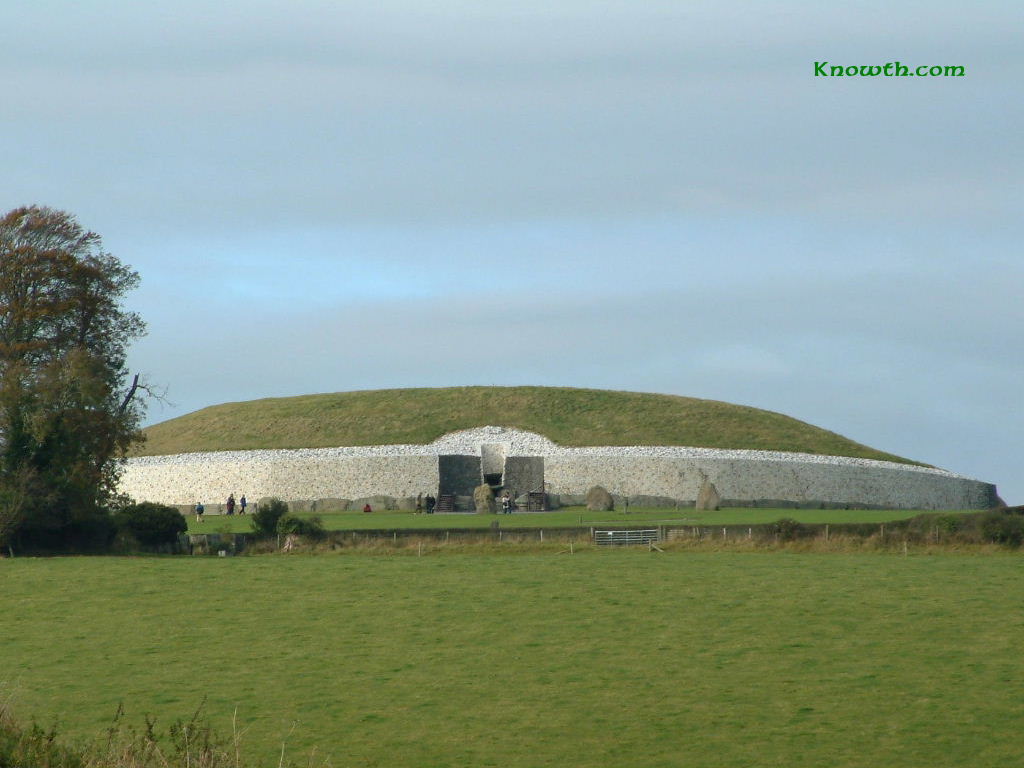
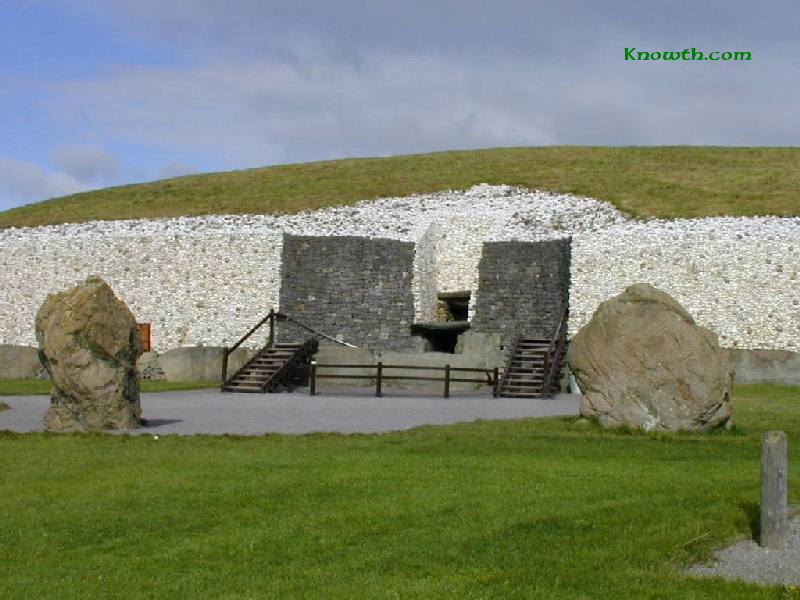
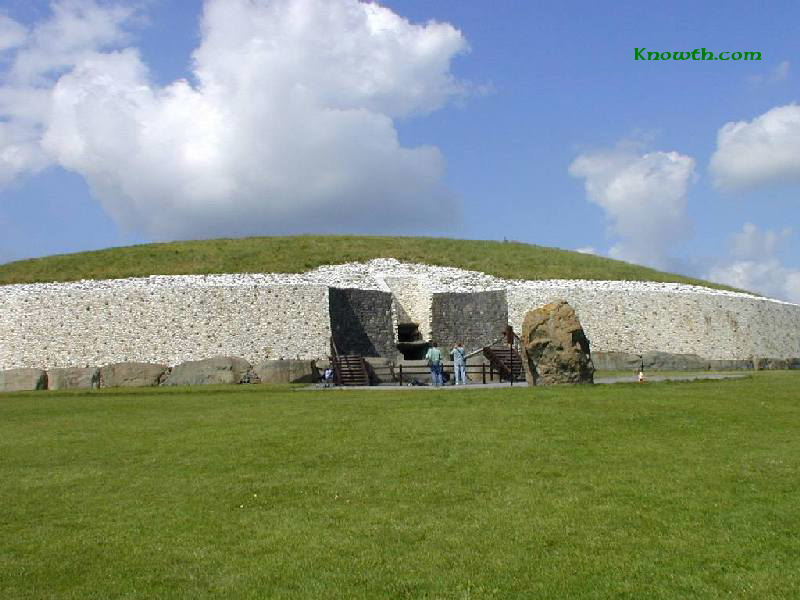
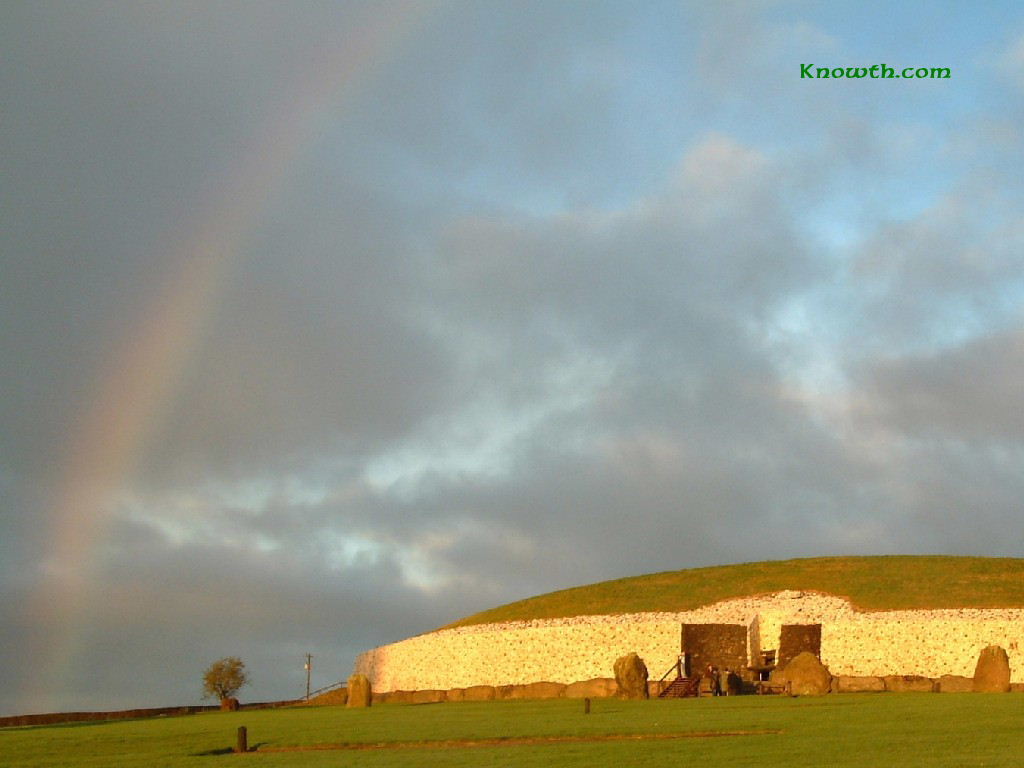
The great entrance, with its massive kerbstones and standing stones, marks the start of the passage that leads inward to the solstice alignment.
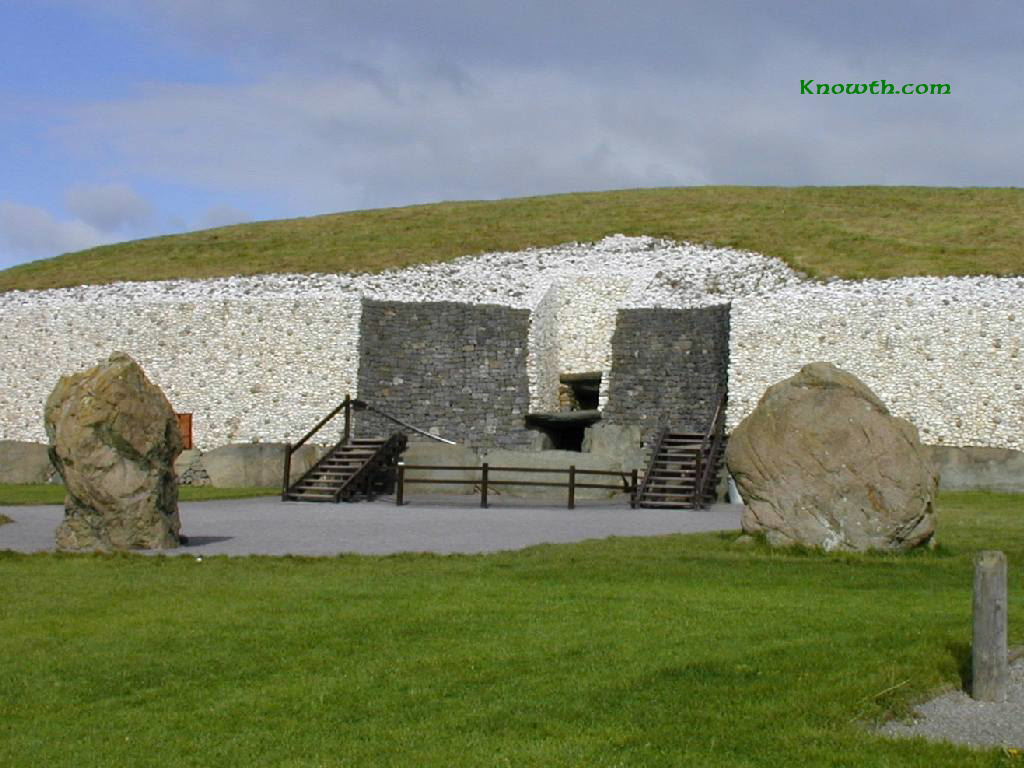
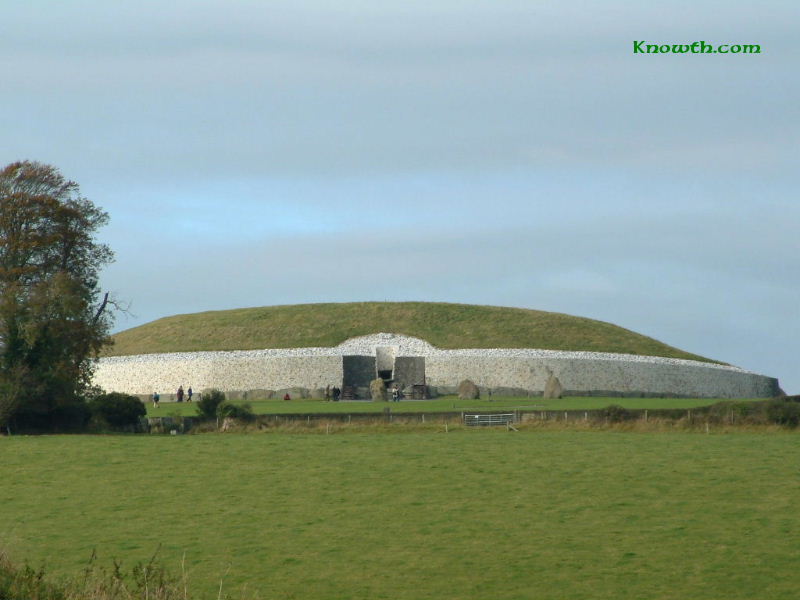
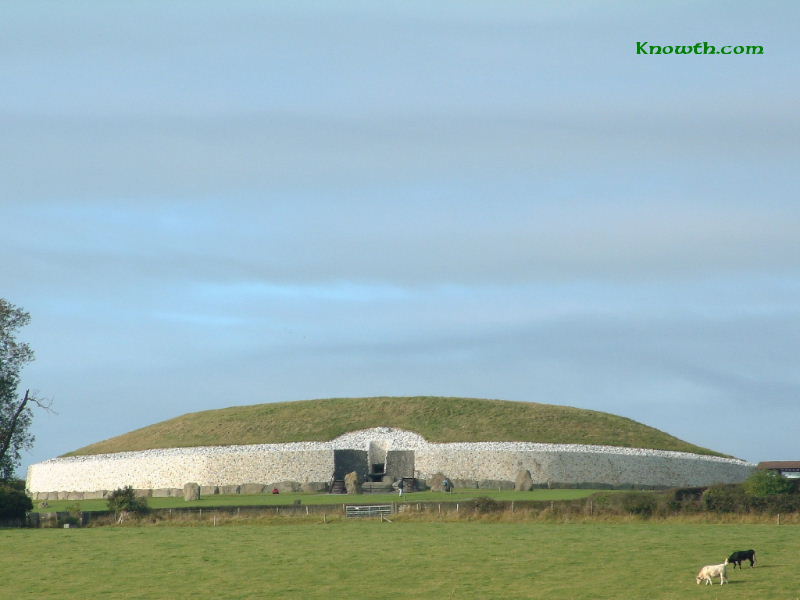
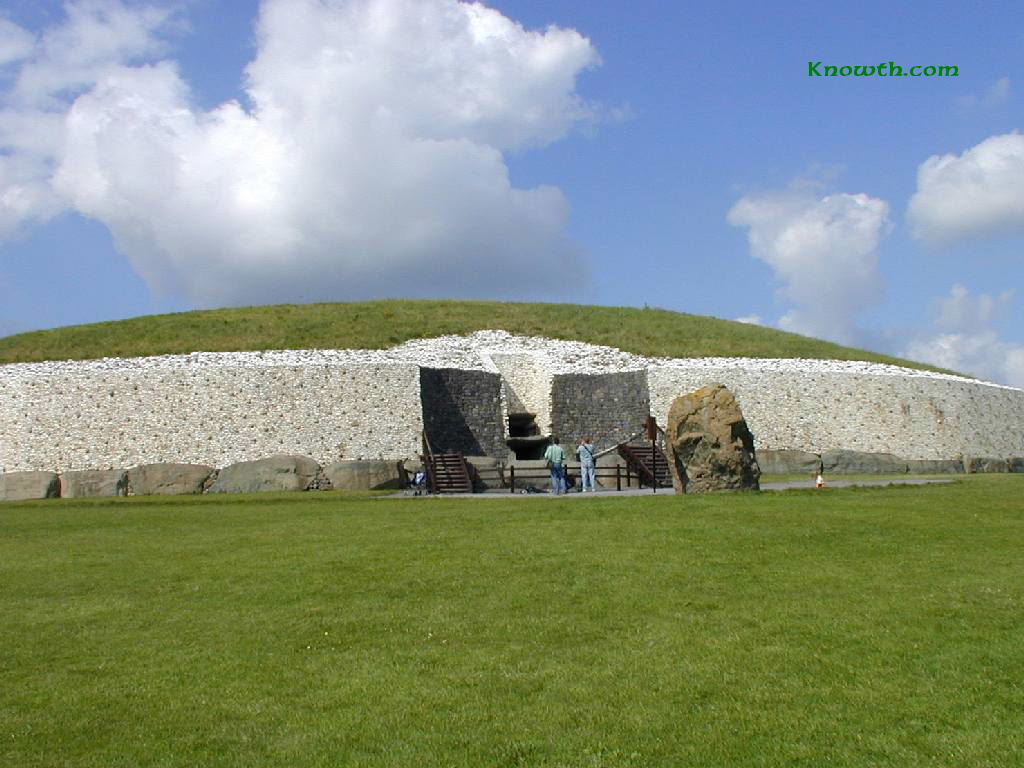
The white quartz facade and encircling kerbstones give Newgrange its distinctive appearance, restored after excavation in the twentieth century.
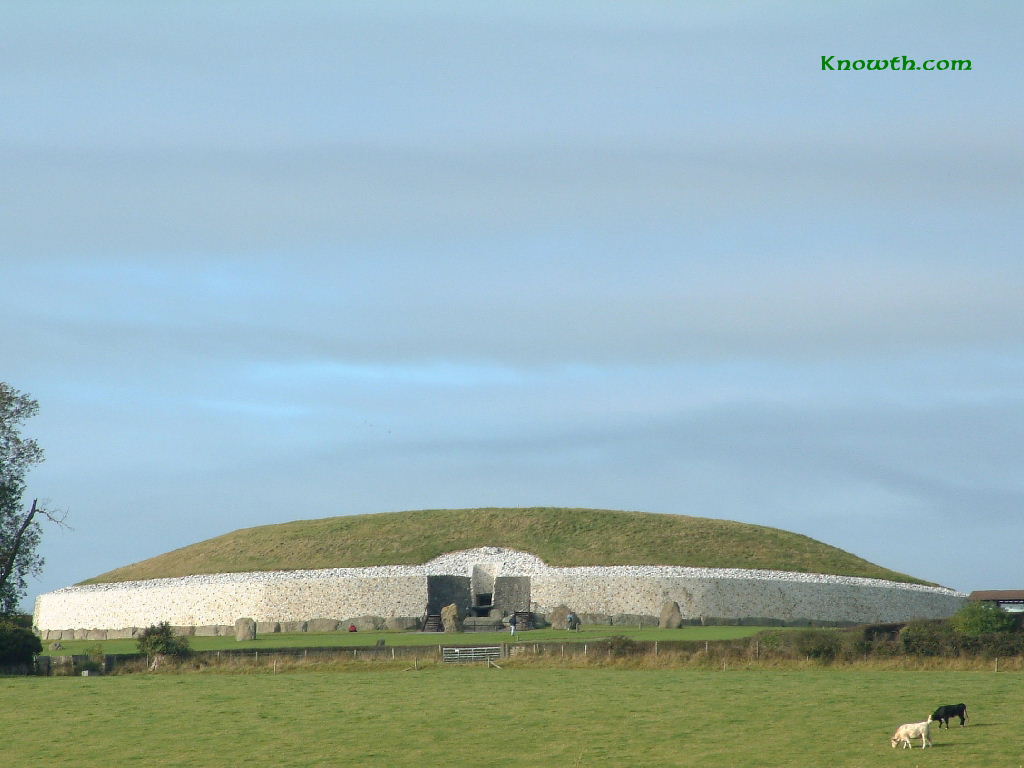
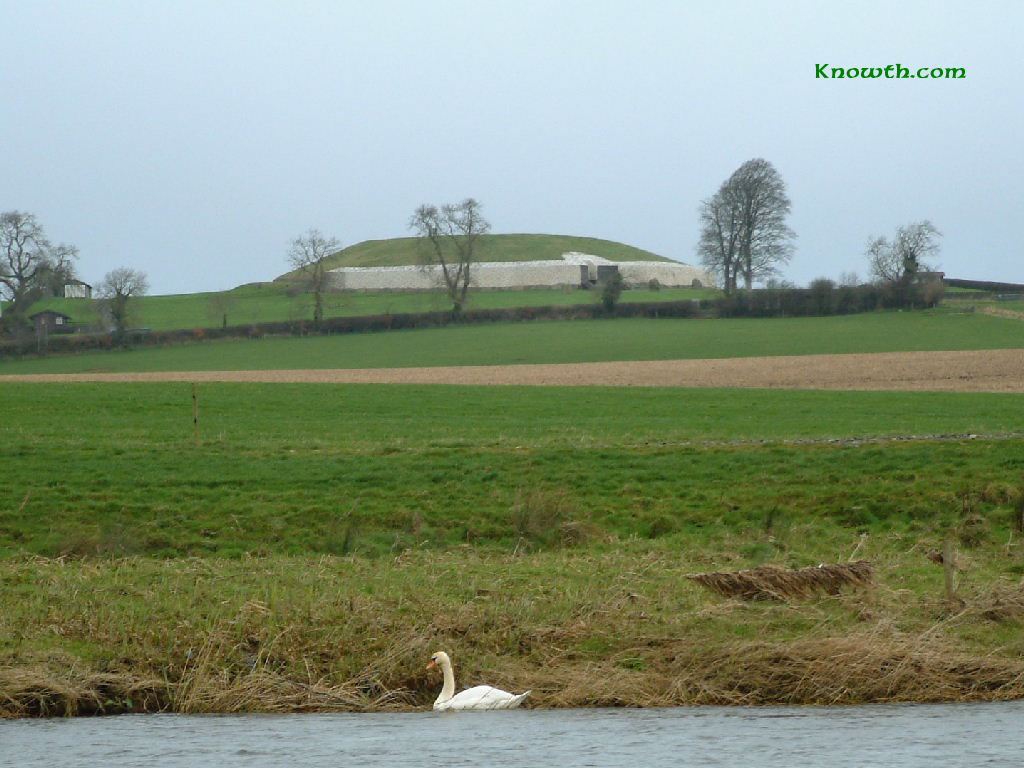
The great mound rises above the Boyne floodplain, its kerbstones and revetted wall visible from the surrounding fields and river bank.
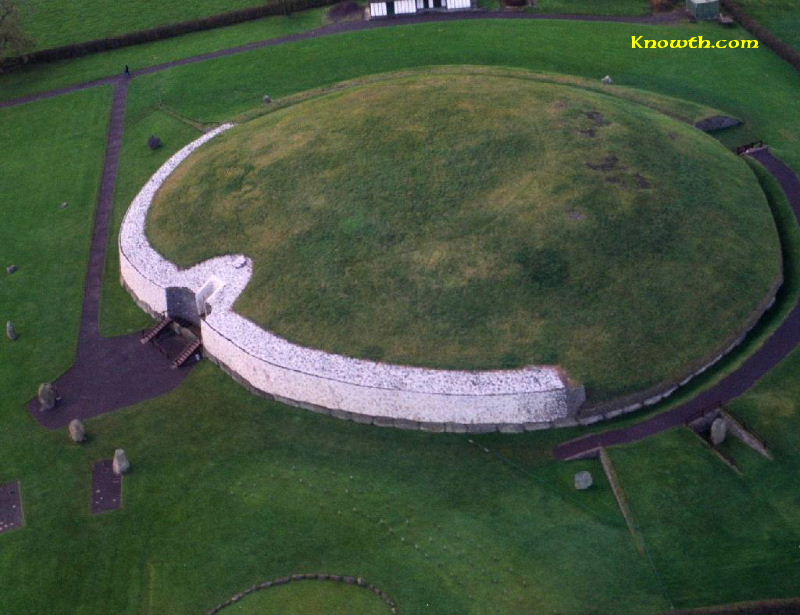
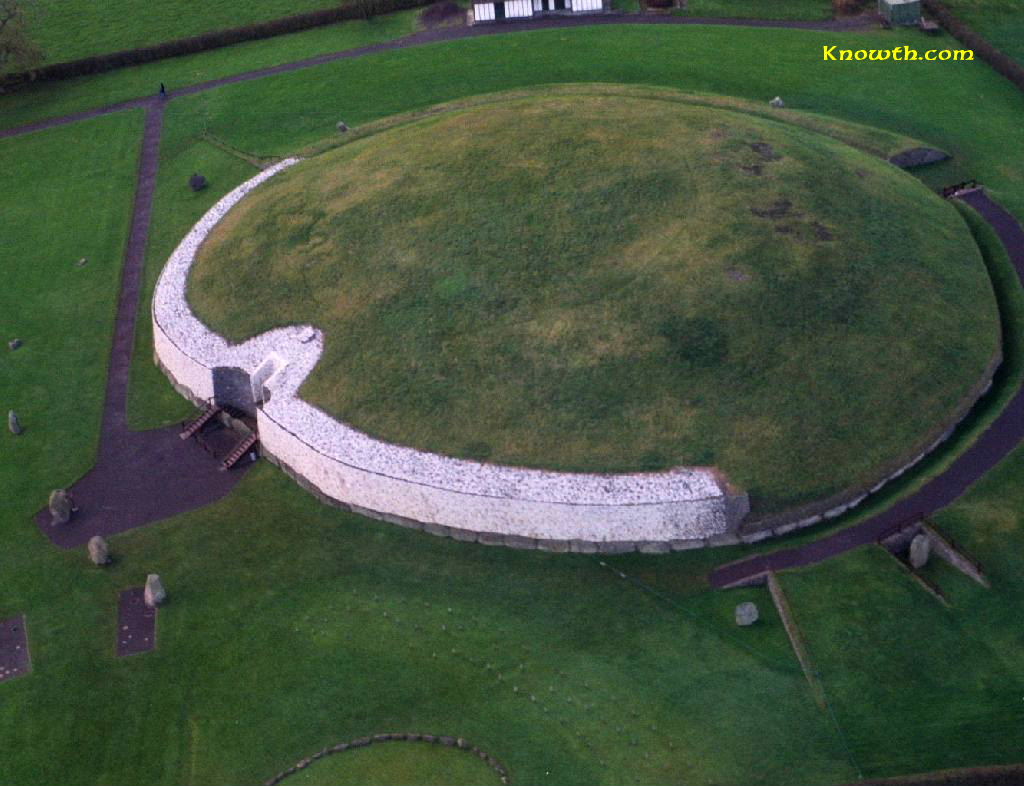
From above, the scale of the Brú na Bóinne monuments and their setting in the Boyne floodplain becomes clear, with Newgrange dominating the ritual landscape.
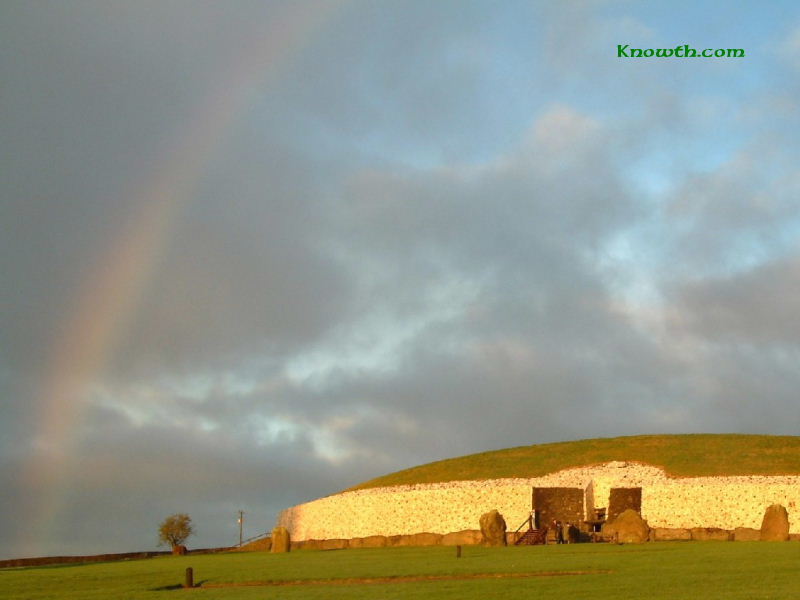
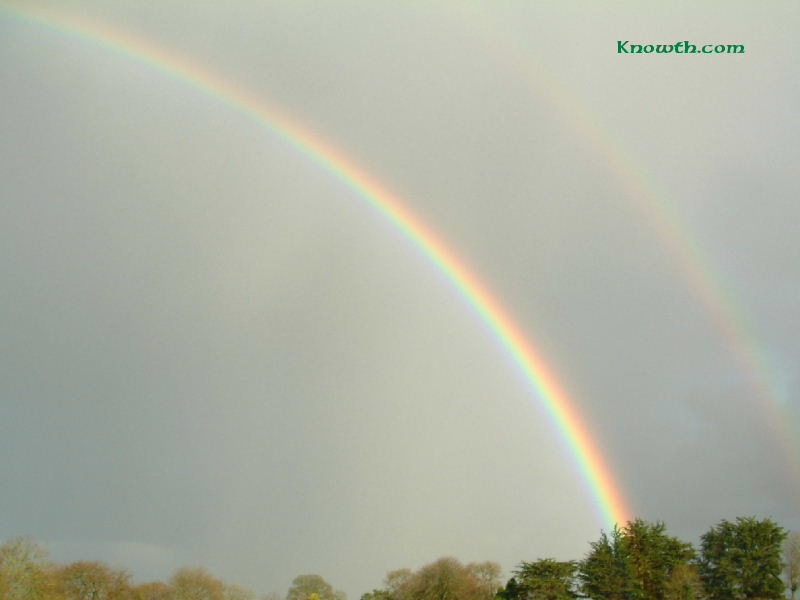
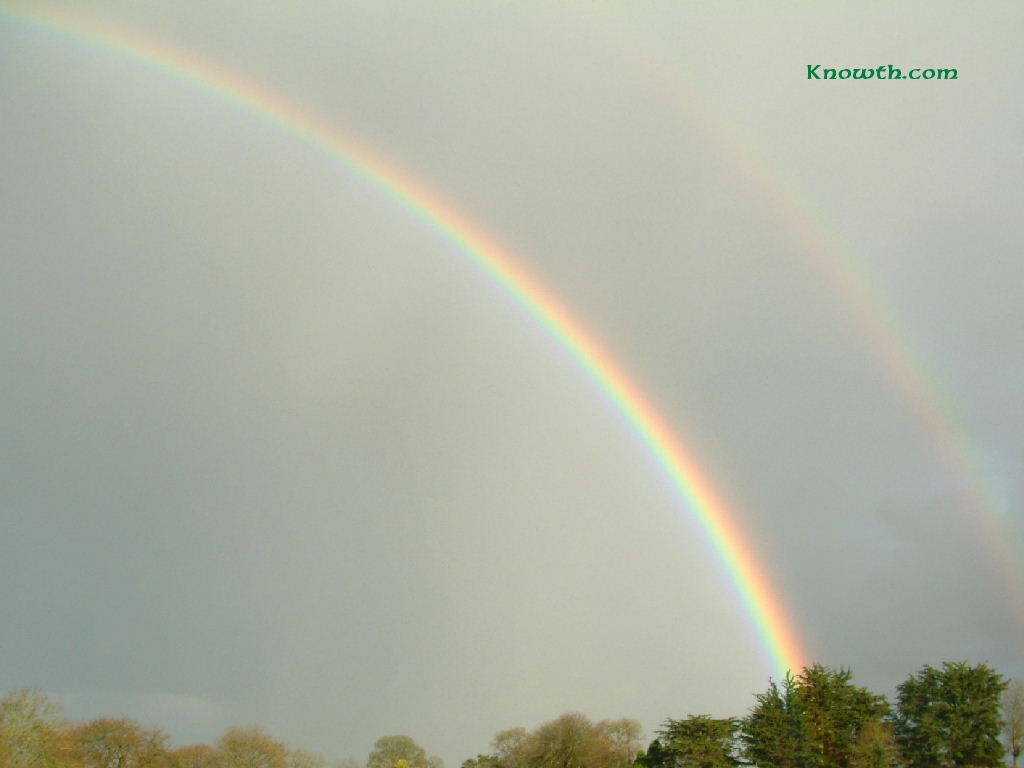
On rare occasions a rainbow arcs over the great mound, as it did at the winter solstice in 2002.
The River Boyne winds past Newgrange through a landscape shaped by thousands of years of settlement, ritual and farming.
Knowth is the largest passage tomb in the Brú na Bóinne complex, with two passages and one of the greatest collections of megalithic art in Western Europe.
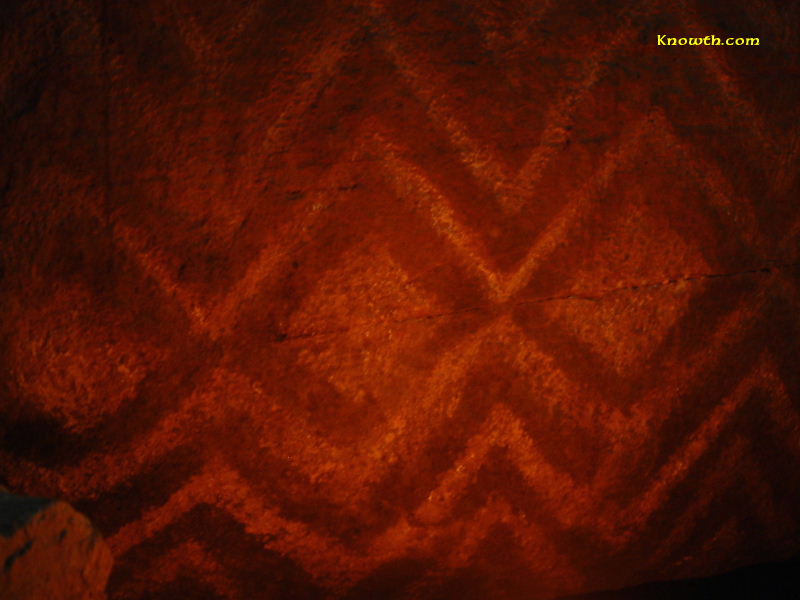
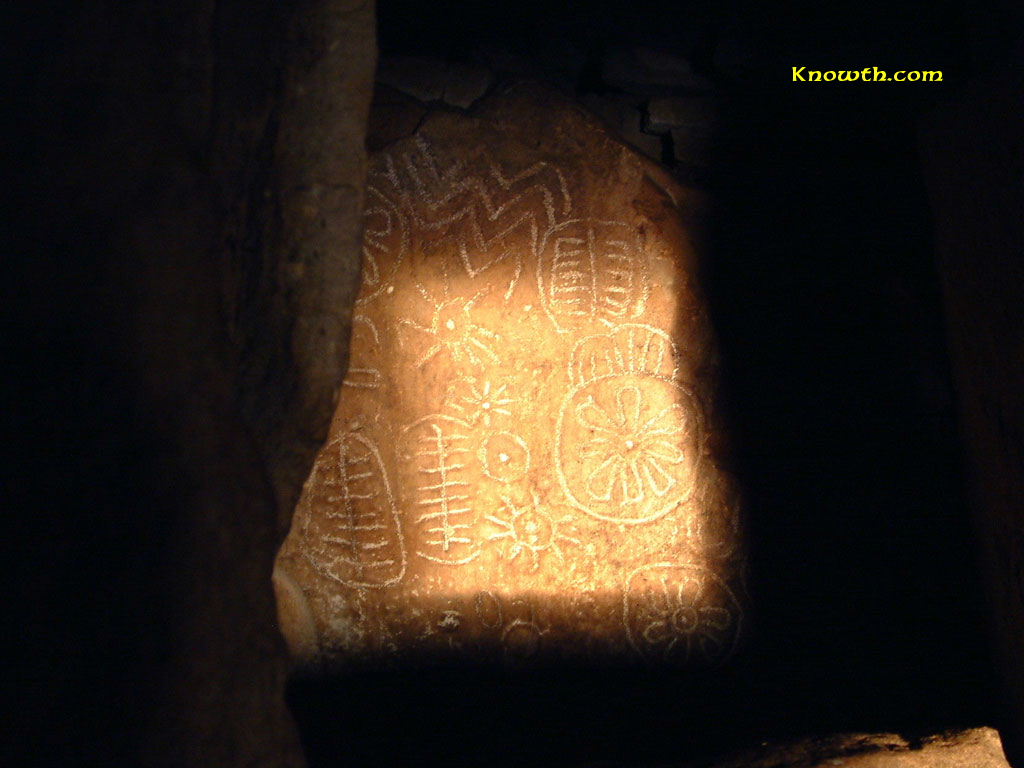
Loughcrew in County Meath is another major passage tomb cemetery, where Cairn T receives a beam of equinox sunlight that moves across carved stones inside the chamber.
Fourknocks is a smaller passage tomb north of the Boyne, known for its decorated chamber and intimate atmosphere when viewed by candlelight.
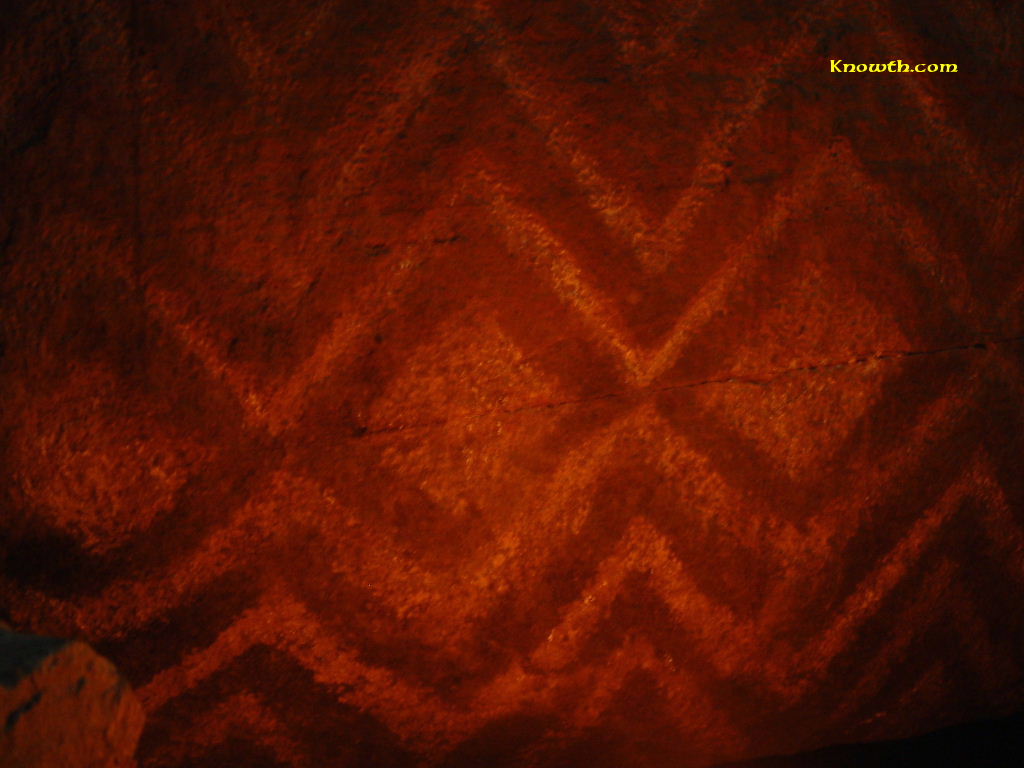
Balgeeth near Ardcath lies within the wider Boyne Valley, an area rich in mounds, standing stones and other prehistoric remains.
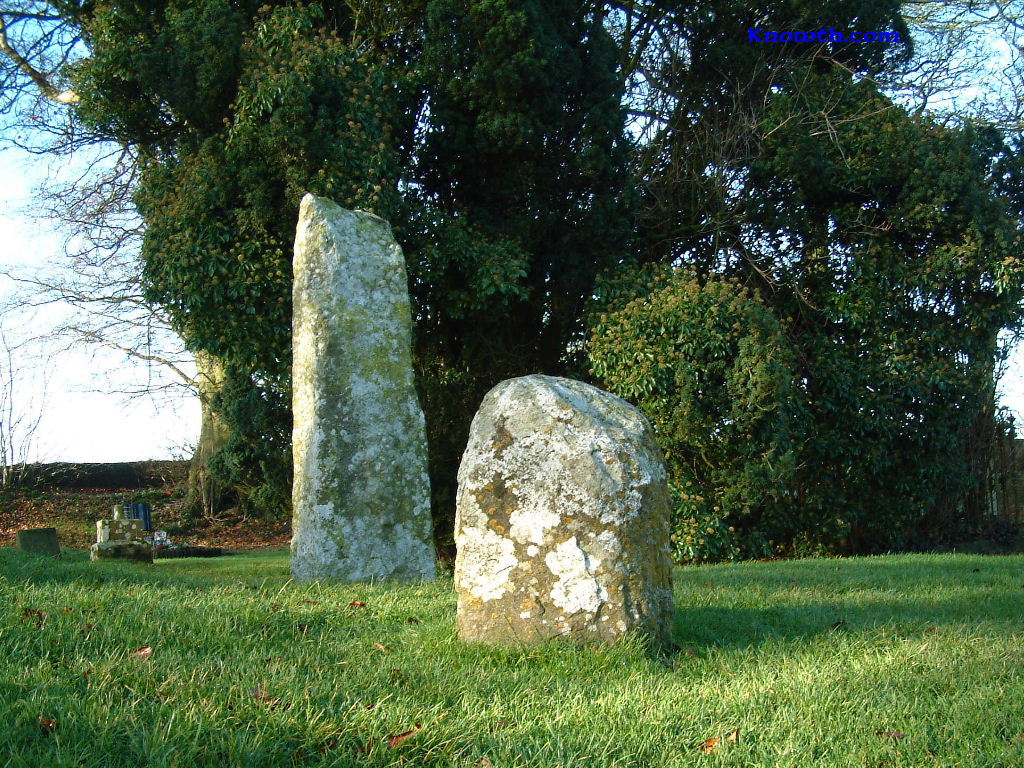
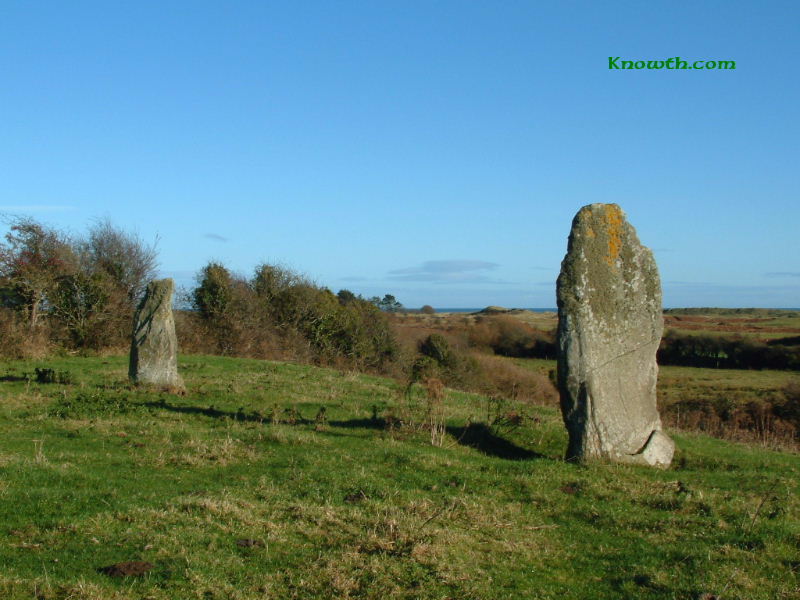
Baltray on the Boyne estuary preserves a group of standing stones that look out over the river towards the ancient monuments upstream.
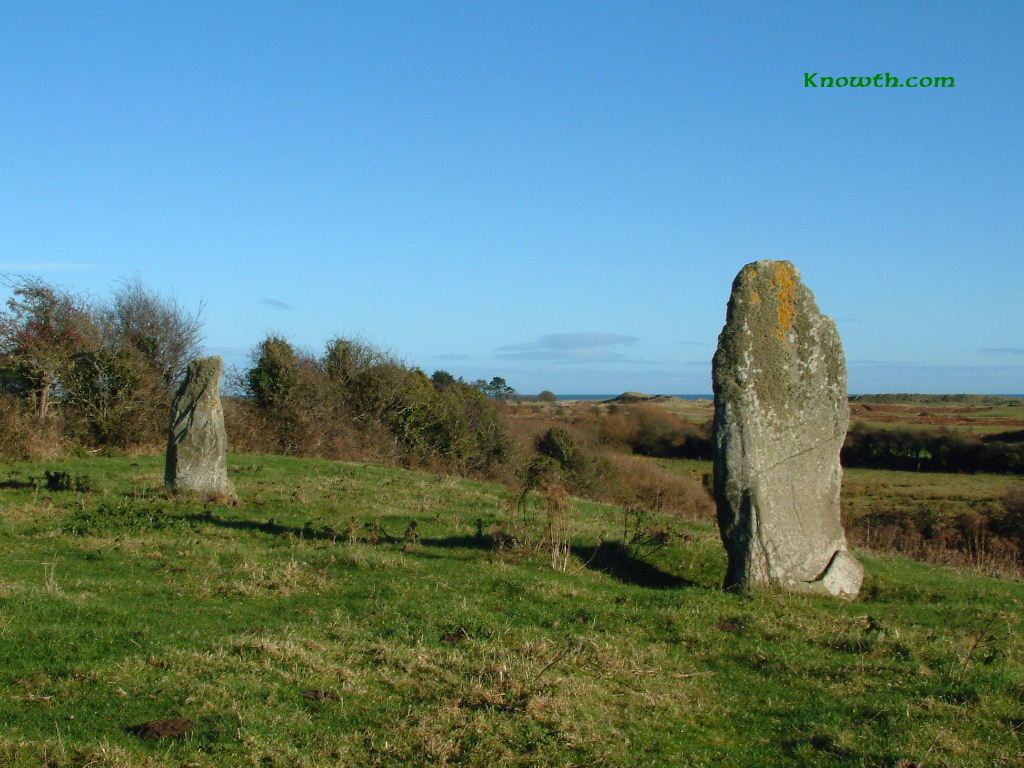
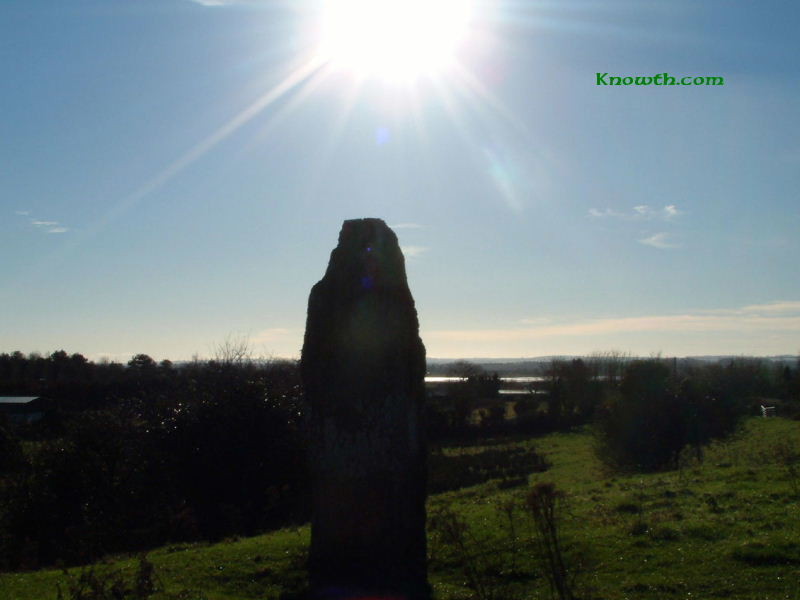
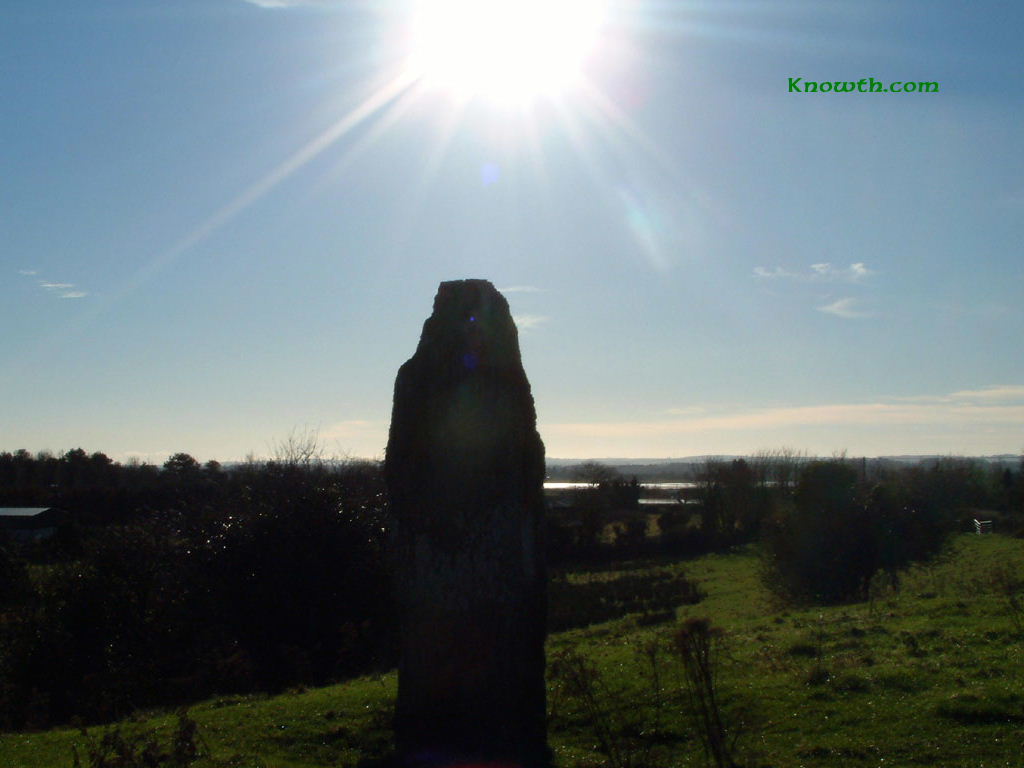
The Baltray stones catch the low November sun, a reminder of how these monuments were often placed to mark light, landscape and season.
The Hill of Tara was the ceremonial centre of kingship in early Ireland, where standing stones and earthworks still define the summit of the ridge.