Stone Circle and Dolmen Wallpaper

Ireland has one of the richest collections of prehistoric stone circles and portal dolmens in Europe. From the great cemeteries of the west to the ritual landscapes of Cork and Kerry, these monuments remain among the most evocative ancient sites on the island.
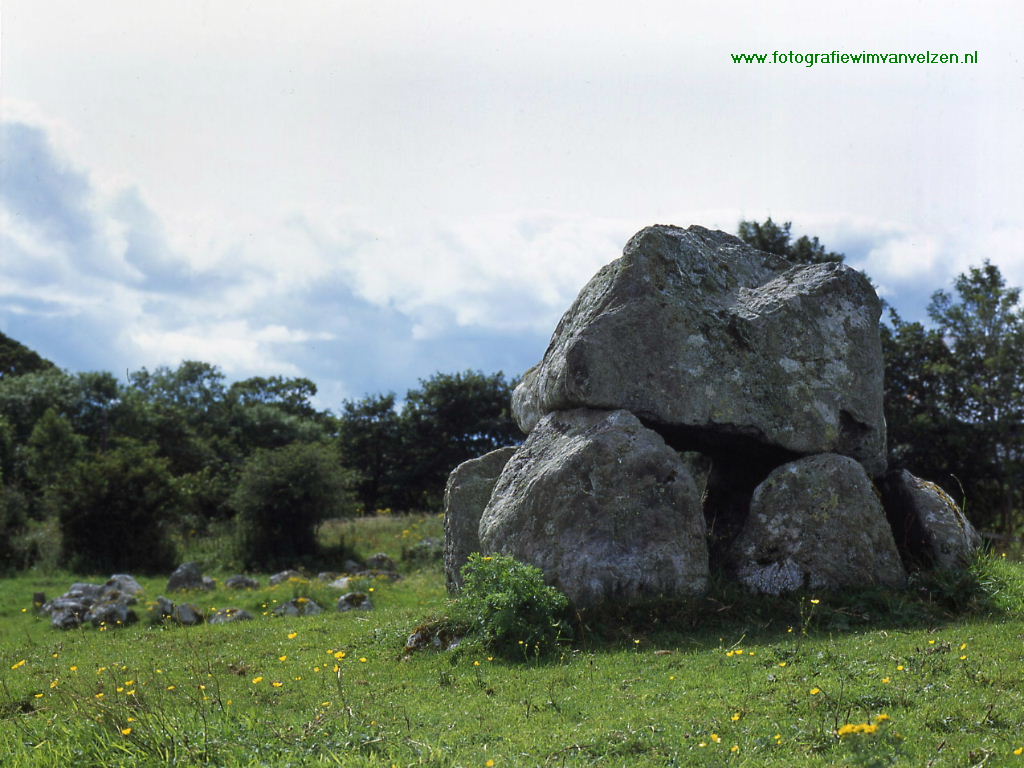
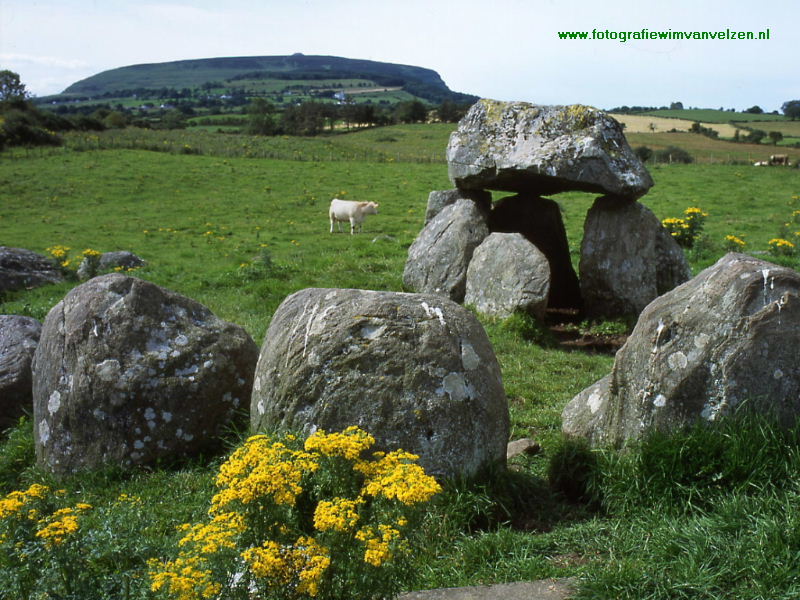
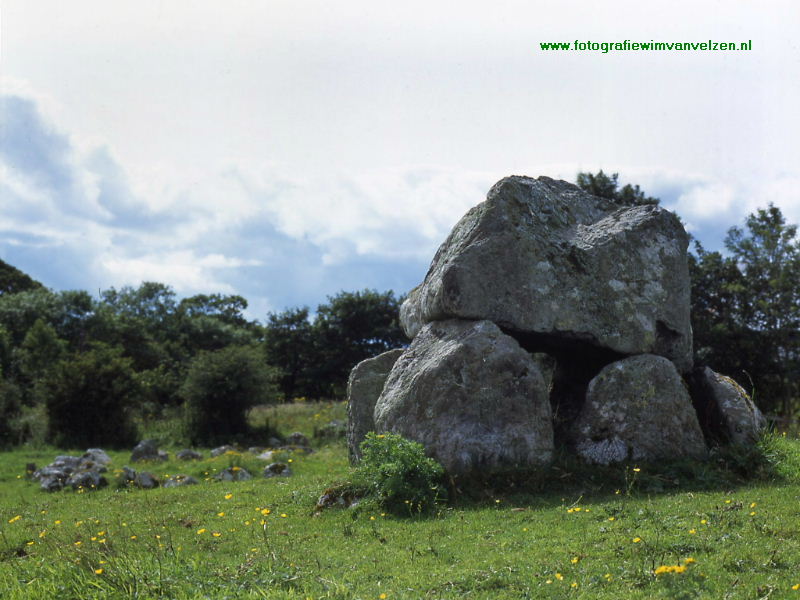
Carrowmore dolmen with thick capstone on upright supports, smaller stones nearby and yellow wildflowers on a grassy slope. Carrowmore dolmen and stone circle, County Sligo, photo by Wim van Velzen. 800 x 600, 1024 x 768.

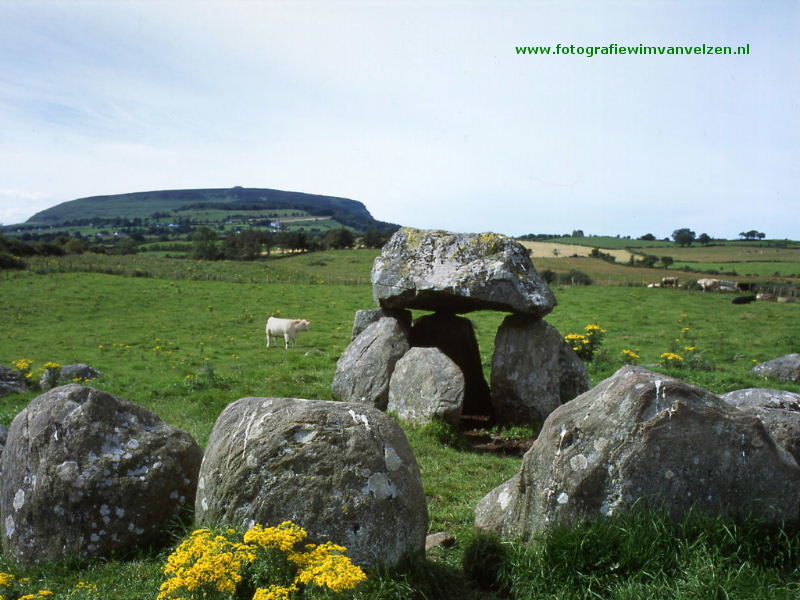
The Carrowmore complex in County Sligo is one of the largest megalithic cemeteries in Ireland, with dozens of passage tombs, dolmens and stone circles spread across the Knocknarea ridge.
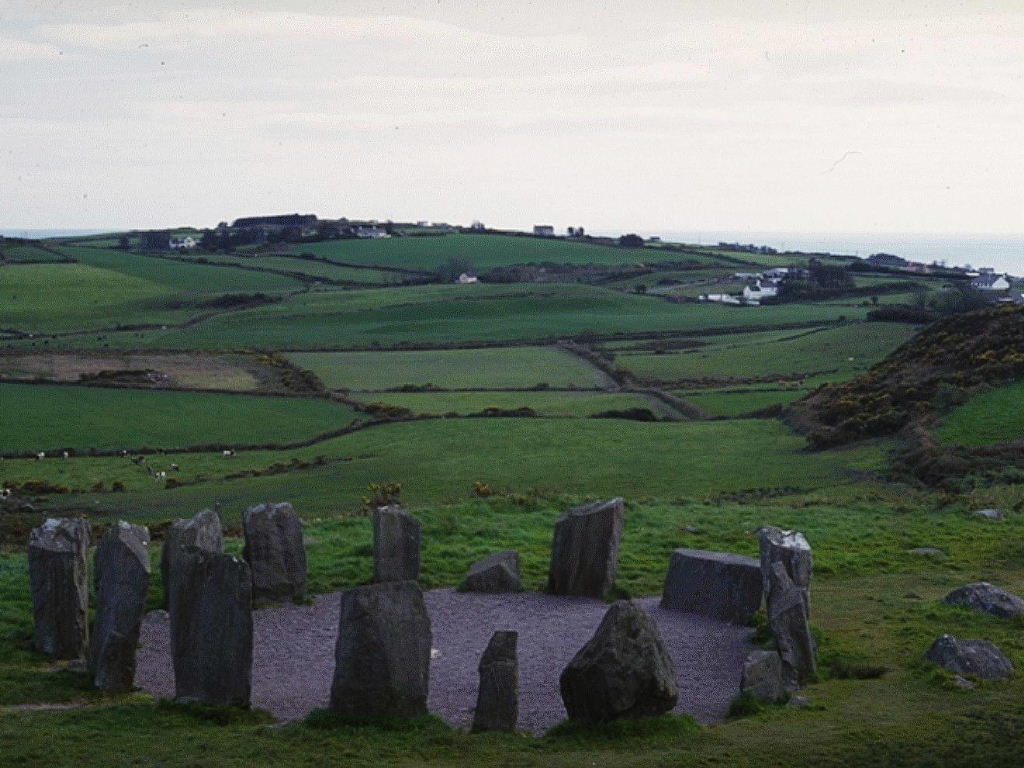
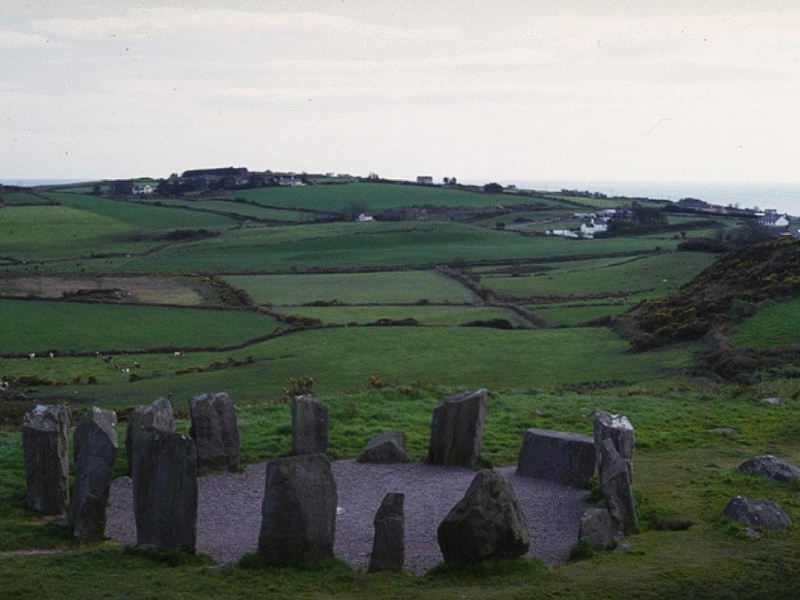
Drombeg stone circle of grey upright stones on a green hilltop, overlooking patchwork fields and the sea in the distance. Drombeg stone circle, County Cork, photo by Hermann Klecker. 800 x 600, 1024 x 768.

Drombeg, often called the Druid's Altar, is a recumbent stone circle in west Cork with a pair of portal stones and a nearby fulacht fiadh, or cooking pit.
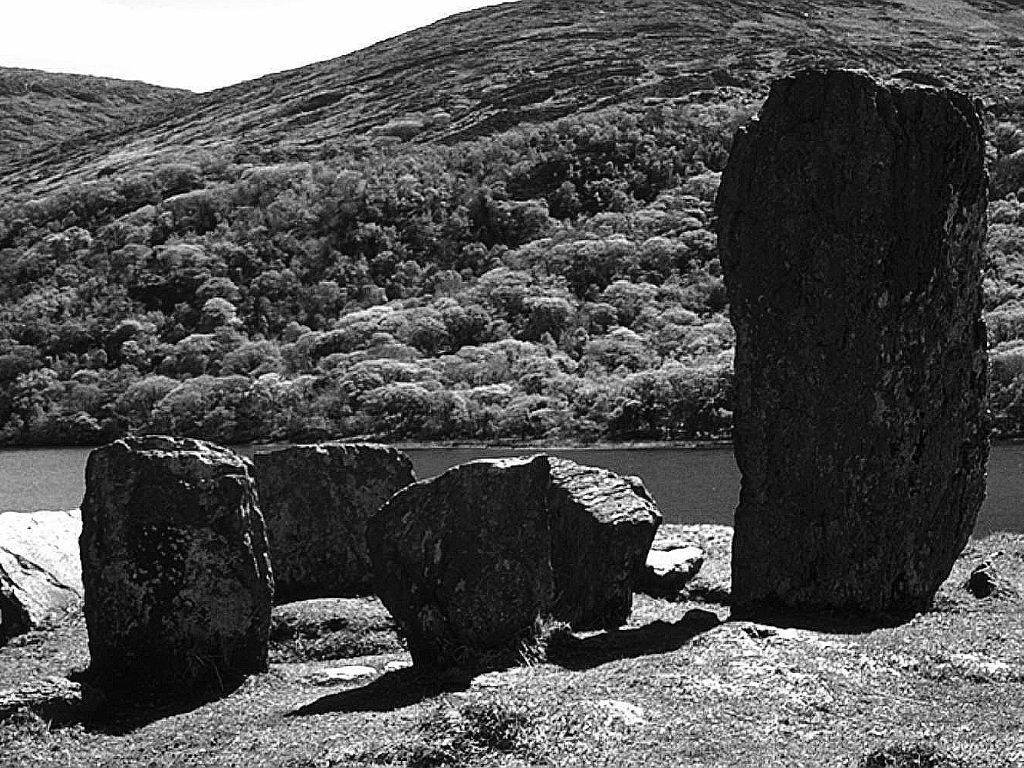
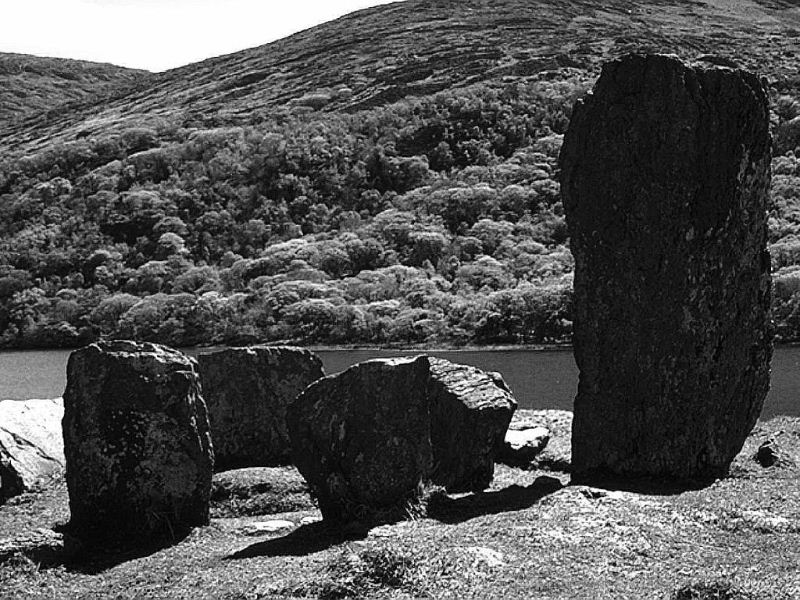
Black and white view of the Uragh stone circle with a tall central monolith, smaller stones and a wooded lakeside hillside. Uragh stone circle, County Kerry, photo by Hermann Klecker. 800 x 600, 1024 x 768.

Uragh stands in a dramatic valley setting near Lough Inchiquin in Kerry, where a tall portal stone and a smaller recumbent stone define one of the most photographed circles in Ireland.
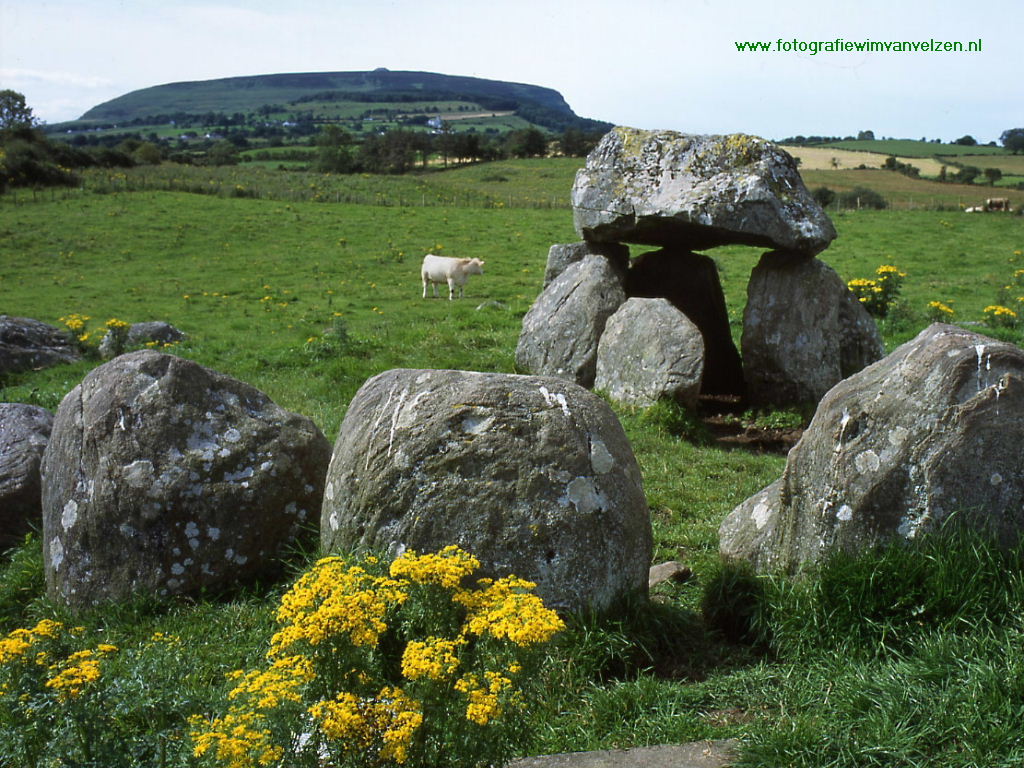
Carrowmore portal tomb with capstone on uprights, large boulders and yellow ragwort in foreground, Knocknarea and grazing cow beyond. Carrowmore dolmen, County Sligo, photo by Wim van Velzen. 800 x 600, 1024 x 768.

Portal dolmens consist of two upright stones supporting a massive capstone, forming a chamber that often served as the focus of a larger burial or ritual monument.
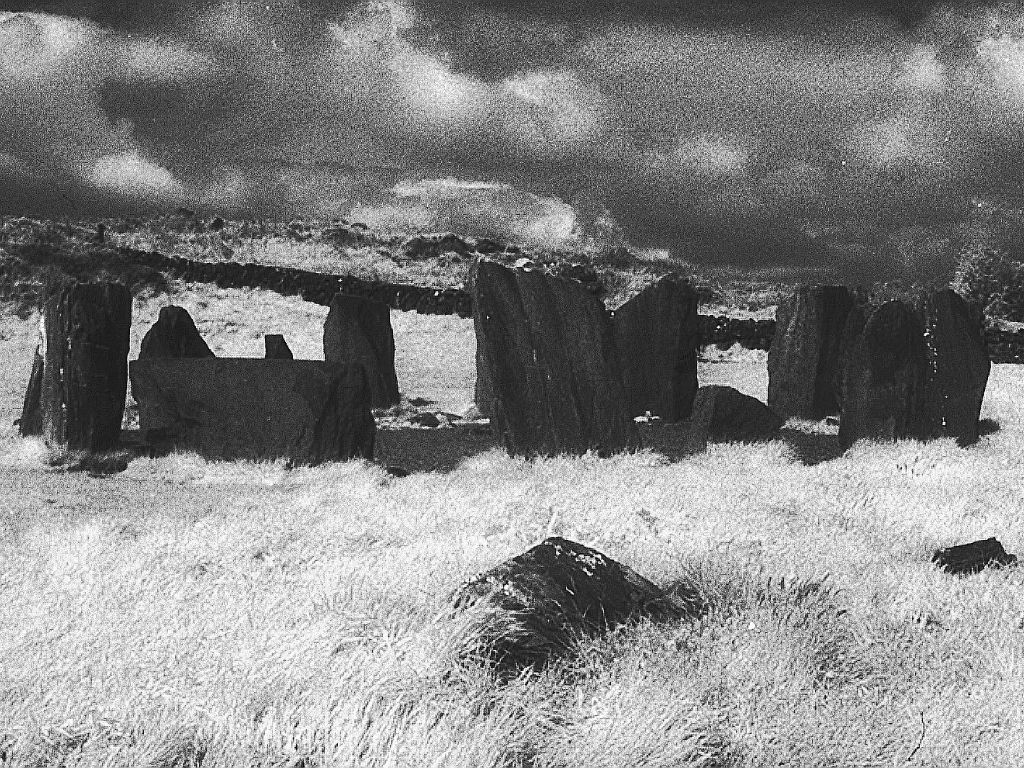
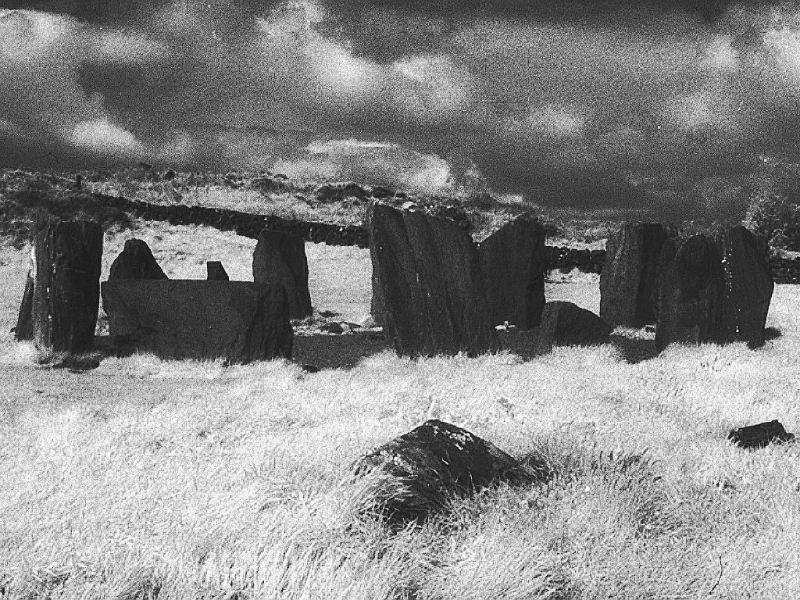
Infrared view of Drombeg stone circle with dark upright stones in tall grass, a stone wall and dramatic storm clouds above. Drombeg stone circle, infrared photograph by Hermann Klecker. 800 x 600, 1024 x 768.

Stone circles were often linked to seasonal observation, burial rites and communal gathering, though their precise meaning varied from region to region across prehistoric Ireland.

Carrowmore dolmen with capstone on uprights, rounded boulders and yellow flowers in foreground, Knocknarea and cattle in field. Carrowmore dolmen and stone circle, County Sligo, photo by Wim van Velzen. 800 x 600, 1024 x 768.

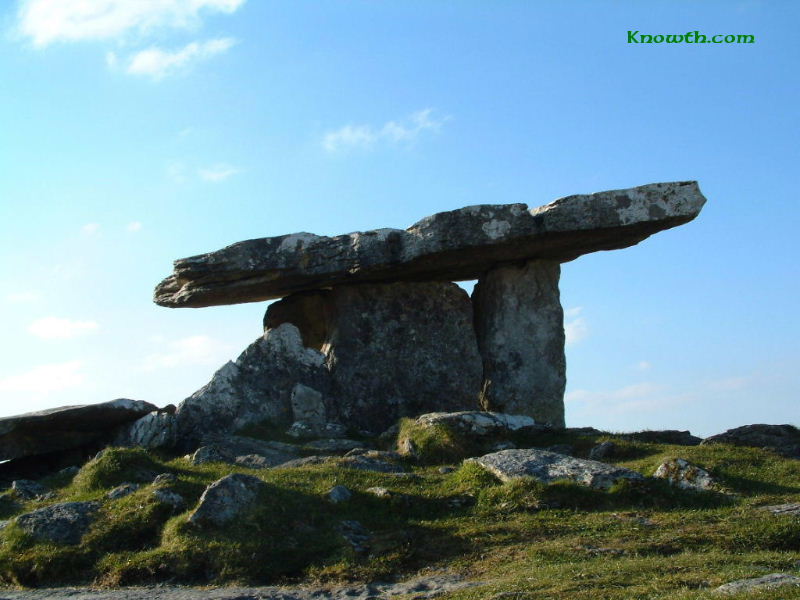
Poulnabrone in the Burren of County Clare is one of Ireland's best known dolmens, a stark limestone monument that has stood on the open karst for more than five thousand years.
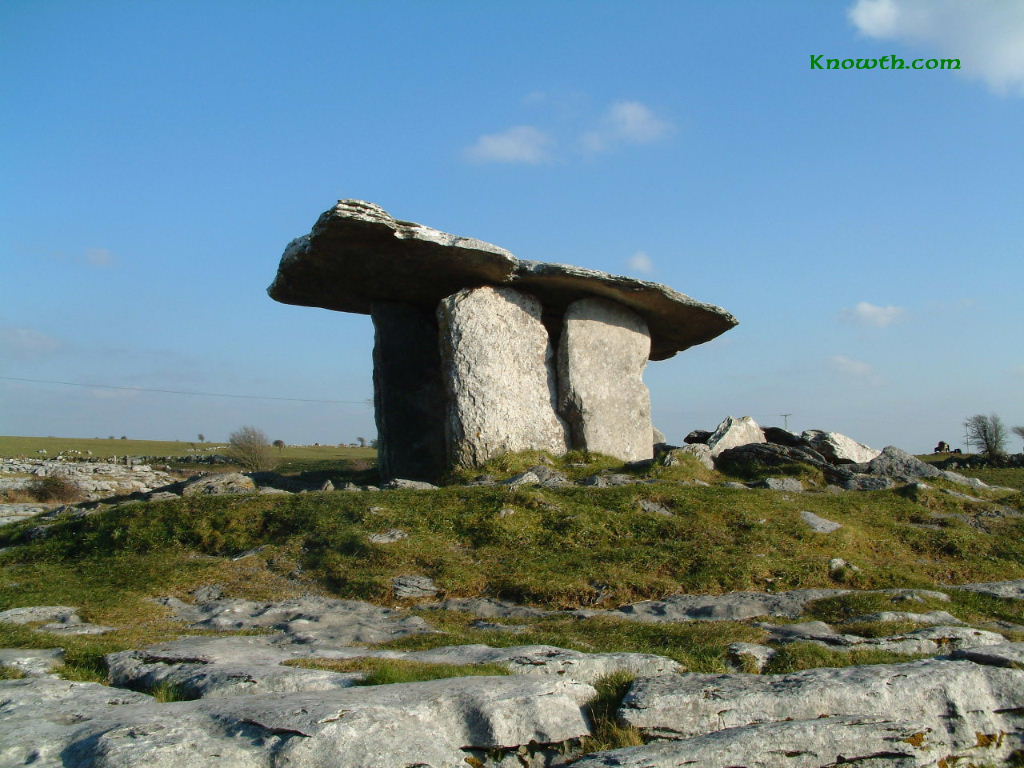
Poulnabrone portal dolmen with a capstone on uprights above cracked limestone pavement in County Clare. Poulnabrone dolmen, County Clare. 800 x 600, 1024 x 768.

Excavation at Poulnabrone revealed the remains of more than thirty people, together with pottery, stone tools and personal ornaments deposited over many centuries.
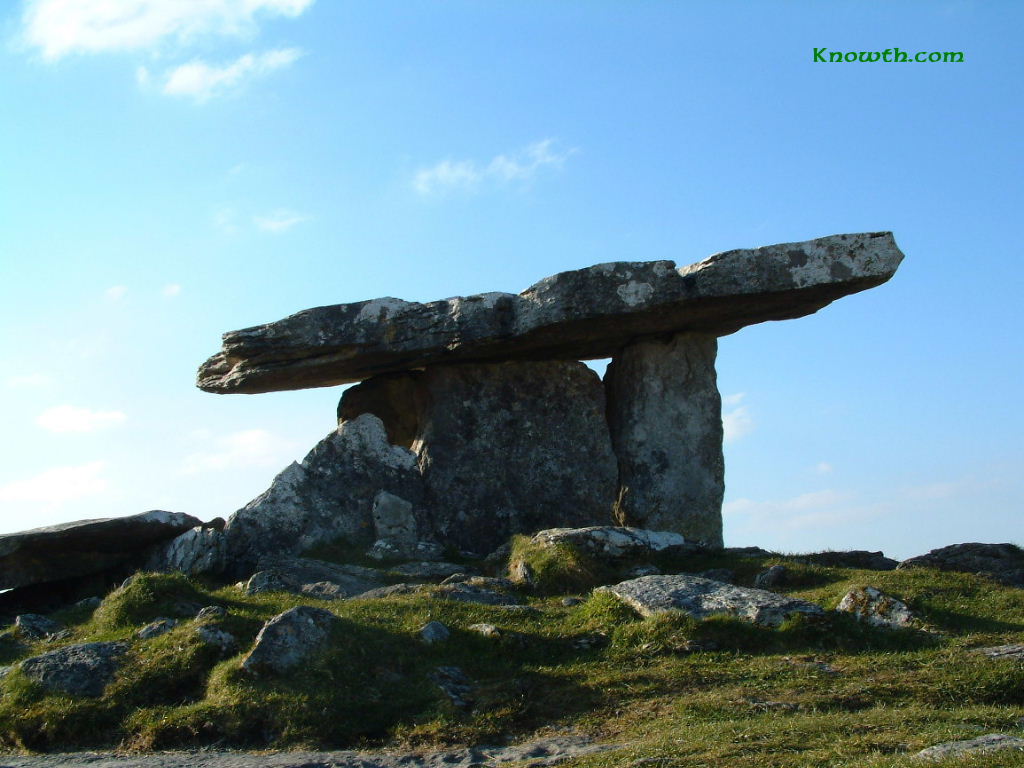
Poulnabrone dolmen with grey lichen-covered capstone balanced on two portal stones, on a grassy mound under blue sky. Poulnabrone dolmen, County Clare. 800 x 600, 1024 x 768.

The Burren landscape, with its bare limestone pavement and rare wildflowers, gives Poulnabrone a setting unlike any other megalithic site in Ireland.
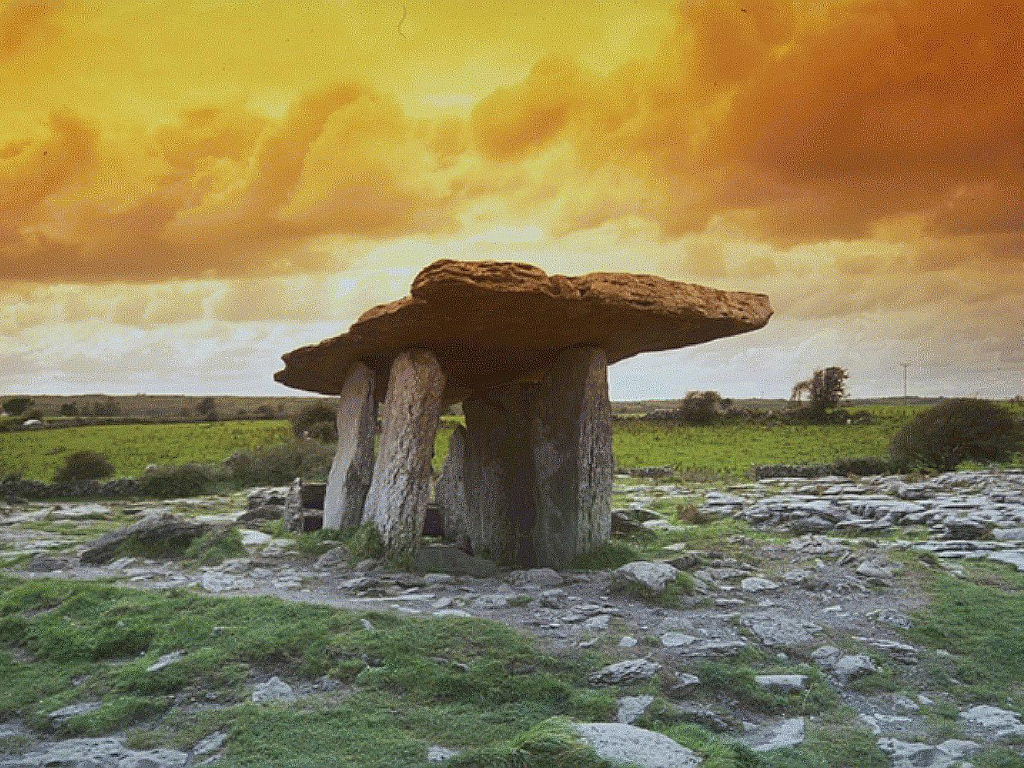
Poulnabrone portal tomb with tilted capstone on limestone uprights, set on cracked limestone pavement under an orange sunset sky. Poulnabrone dolmen, photo by Hermann Klecker with orange gradation filter. 800 x 600, 1024 x 768.

Back to top