The Megalithic Monuments of Britain and Ireland
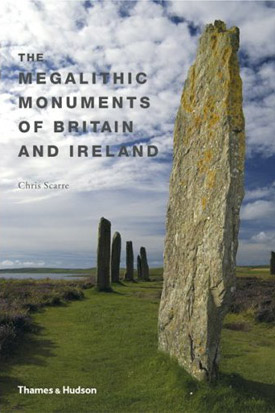 The Megalithic Monuments of Britain and Ireland by Chris Scarre.
From Stonehenge to Newgrange, one of the richest arrays of megalithic monuments in Europe is found in Britain and Ireland.
Using massive stone blocks (megaliths), timber posts and mounds of earth or chalk, great monuments were built from the beginning of the Neolithic some 6,000 years ago down into the Bronze Age. The number and sheer diversity of these structures is astonishing. Stone circles and chambered tombs, burial mounds and earthwork enclosures, henges and cursus monuments, all belong to the same general category of monumental prehistoric architecture.
Purchase at Amazon.com or Amazon.co.uk
Tombs, sanctuaries, places of cult and of memory: these Neolithic monuments had numerous functions in prehistoric societies. Transforming the landscape, such grand structures must have represented for their communities a particular way of responding to changing social and symbolic needs, whether processing the dead, gathering for ceremonies or embellishing locations that were of sacred significance.
Organized by geographical area, this authoritative overview is ideal for traveller and student alike.
The Author
Chris Scarre is a specialist in the prehistory of western Europe, with a particular interest in the archaeology of the Atlantic façade (Portugal, France, Britain & Ireland). He took his MA and PhD at Cambridge, the latter a study of landscape change and archaeological sites in western France. From 1990-2005 he was editor of the Cambridge Archaeological Journal and Assistant (later Deputy) Director of the the McDonald Institute for Archaeological Research, University of Cambridge. In January 2006 he took up the position of Professor of Prehistory at the Department of Archaeology at Durham.Boyne Valley Private Day Tour
 Immerse yourself in the rich heritage and culture of the Boyne Valley with our full-day private tours.
Visit Newgrange World Heritage site, explore the Hill of Slane, where Saint Patrick famously lit the Paschal fire.
Discover the Hill of Tara, the ancient seat of power for the High Kings of Ireland.
Book Now
Immerse yourself in the rich heritage and culture of the Boyne Valley with our full-day private tours.
Visit Newgrange World Heritage site, explore the Hill of Slane, where Saint Patrick famously lit the Paschal fire.
Discover the Hill of Tara, the ancient seat of power for the High Kings of Ireland.
Book Now
Home
| Newgrange
| Knowth
| Dowth
| Hill of Tara
| Fourknocks
| Loughcrew
| More Places
| Labyrinths
| Local Info
| Art Works
| Articles
| Images
| Books
| Links
| Boyne Valley Tours
| Contact